


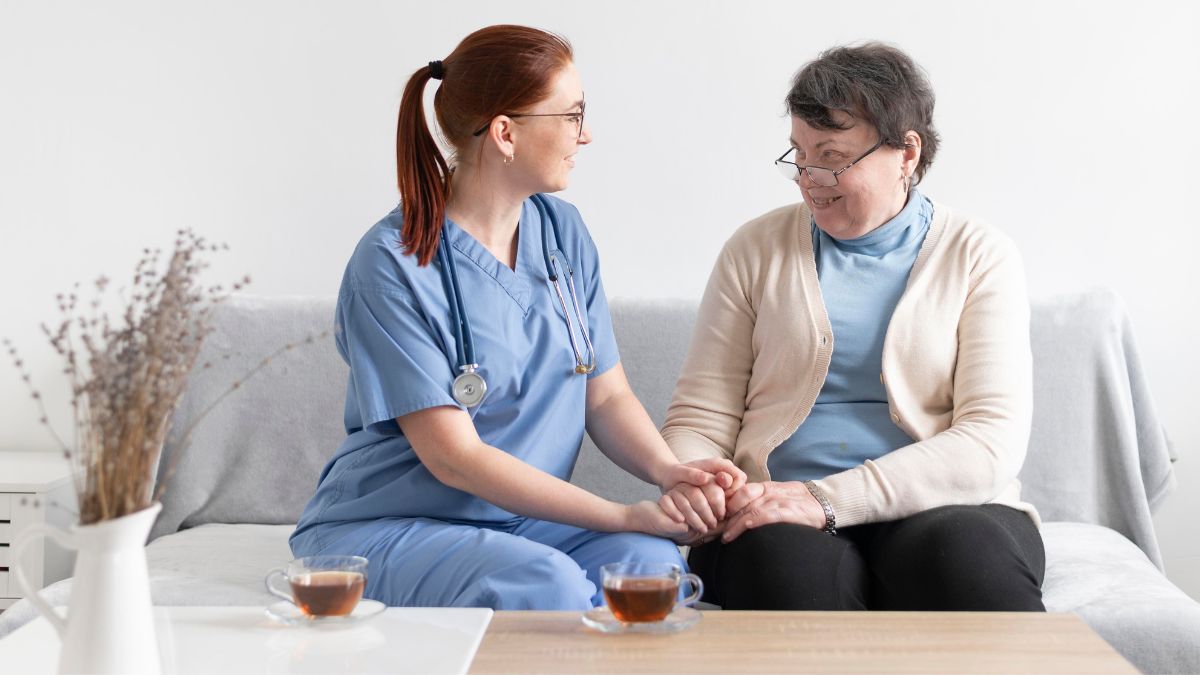
There is something deeply uncomfortable about the idea of leaving home to receive medical care when you are already unwell. Hospitals are necessary, but for many patients, they can be terribly intimidating. They want consistent, skilled support. And they want it where they are most comfortable. And home healthcare is built around. Let us understand how much ground it actually covers.
It Goes Well Beyond Basic Check-Ins
People sometimes picture home healthcare as a nurse stopping by once a week to take vitals and ask how things are going. That is only a small part. Home healthcare, such as that offered by 365 Health Services, can include various services. Typically, wound care, physical and occupational therapy, medication management, and chronic disease monitoring are included. Some also cover post-surgical recovery support and palliative care. The range is wider than most people realize until they or someone they love actually needs it. Depending on the patient’s condition, it goes beyond being a minor perk.
What makes this model work is that the care comes to the patient. For elderly patients or those recovering from surgery, that reduction in physical strain is genuinely meaningful.
Chronic Conditions Require Consistent Attention
Managing something like diabetes, heart failure, or COPD can be daunting. It is an ongoing process. What makes it more demanding is that it requires monitoring, adjustments, and someone who actually knows the patient’s history and patterns. Home healthcare providers fill that role very well. They see the patient in their real environment, not just during a scheduled appointment.
They notice and take care of various aspects. A fridge stocked with the wrong foods, a medication schedule that has slipped, and early signs of infection or decline that a patient might dismiss or not think to mention. That observational layer is genuinely hard to replicate. Further, it catches problems before they escalate into something more serious.
Recovery Actually Happens Faster at Home
This one surprises people, but the research has supported it for years. Patients recovering from surgery or illness tend to do better at home than in extended facility care. This is, of course, assuming they have proper support in place. Familiar surroundings reduce stress. Sleep quality also improves significantly. Patients feel more like themselves and less like a case number.
Home healthcare teams work alongside the patient’s existing medical providers. Updates get communicated, care plans get adjusted, and the patient stays connected to their broader health team. This is done without having to physically be in a clinical setting every time something needs attention.
Family Caregivers Get a Break Too
Caring for a sick or aging family member is exhausting in ways that are hard to put into words. It is not just the physical demands. It is the constant mental load of tracking medications, watching for warning signs, and being “on” at all hours. Home healthcare takes a significant chunk of that off the family’s plate. When a trained professional is handling the clinical side of things, family members can actually just be family again. They can sit with their loved one, have a real conversation, or simply be present without running through a mental checklist.
Caregiver burnout does not get nearly enough attention, but it is very real, and it affects the quality of care the patient receives. Home healthcare is one of the more practical ways to prevent it.
Practical, Dignified, and Often Underused
A lot of families do not know how much is available through home healthcare until they are deep into a crisis and scrambling for options. Services from providers cover a wide spectrum of patient needs. These include connecting with the right team early, before a situation becomes urgent. Having such services makes the whole process smoother and more effective.
Waiting until things get critical is, unfortunately, common. But home healthcare is most effective when it is part of a proactive plan.
Key Takeaways
Healthcare does not have to mean displacement anymore. For many patients, the most effective care is what is required. And this is the kind that meets them where they are. These surroundings could be at home, in familiar spaces, with support that is consistent and genuinely attentive. Home healthcare services make that possible across a much broader range of medical situations than most people expect. And for patients who value their independence and comfort, that difference is hard to overstate.
Image by freepik from freepik
The editorial staff of Medical News Bulletin had no role in the preparation of this post. The views and opinions expressed in this post are those of the advertiser and do not reflect those of Medical News Bulletin. Medical News Bulletin does not accept liability for any loss or damages caused by the use of any products or services, nor do we endorse any products, services, or links in our Sponsored Articles.
