


In high-risk industries in Oklahoma, like construction, manufacturing and energy, the environment is naturally unpredictable, which means safety cannot be treated as a checklist item but must be woven into everyday decisions and behaviors which shape how work actually gets done. Small choices matter.
Workplace injuries in high-risk sectors still account for a large percentage of total incidents each year, which shows that even with regulations in place, gaps still exist in how safety is applied in real situations.
Seeing the Risk Before It Becomes Obvious
Most people assume danger looks dramatic, like sparks flying or machines failing, but in reality, many serious issues start quietly, which makes them easy to ignore until they suddenly become impossible to overlook.
For example, a worker who skips a quick equipment check because the team is behind schedule might not notice a minor fault which later causes a shutdown or injury. This kind of situation happens more often than organizations would like to admit.
Risk is often hidden in routine, which means the same task repeated every day can slowly drift away from best practices without anyone realizing it.
When teams begin to treat risk as something which evolves rather than something which appears suddenly, they become better at spotting early warning signs, reducing surprises and improving overall stability.
Training and Education That Make a Difference
The way workers respond to risk is often shaped by the kind of training that is provided to them, and without the right preparation, even simple tasks can end up becoming risky. In high-risk industries, more than just basic instruction is usually needed, so learning tends to be treated as something ongoing rather than something which is completed once and forgotten.
A degree in occupational health and safety is often pursued by professionals who want to build a deeper understanding of how hazards can be identified and controlled, and through this kind of education, both theory and real-world application are brought together in a way which feels practical and relevant.
Programs such as those offered by Southeastern Oklahoma State University are designed so practical training can be provided in a format which reflects current industry needs, and topics like compliance, risk management and safety systems are typically covered in ways which can be applied directly on the job.
Learning Through Real Situations, Not Just Rules
Training is often delivered in a way which feels disconnected from actual work, making it harder for people to apply what they have learned when they return to their daily tasks. This is a common issue.
In reality, people respond better when training reflects real situations which they recognize from their own experience, because it allows them to connect the lesson to something tangible rather than abstract instructions.
For instance, a factory team which practices emergency shutdown procedures using real equipment will respond much faster in an actual situation compared to a team which has only read about the process in a manual.
Organizations which invest in practical learning often see fewer errors because workers are not just memorizing steps but are understanding the reasons behind them. This leads to better decision-making in unpredictable moments.
Leadership Which Shapes Everyday Behavior
Safety culture is not created through policies alone, which means leadership behaviour plays a central role in shaping how seriously safety is taken across the organization.
When leaders actively follow the same rules which are expected from workers, it sends a clear message which builds credibility and trust because people tend to mirror what they see rather than what they are told. Actions matter more.
A supervisor who pauses work to address a minor hazard demonstrates that safety is not negotiable even when schedules are tight. And this kind of visible commitment can influence the entire team more than any written guideline.
Workplaces with strong leadership involvement in safety programs experience significantly lower injury rates, which highlights how critical this influence can be in real environments.
Technology That Supports Smarter Decisions
New ways of managing safety have been introduced through technology, and honestly, it’s been making a pretty noticeable difference in how risks are handled day to day. Instead of waiting for something to go wrong, issues are being spotted earlier, and responses are being made much faster than they used to be. It just feels a bit more proactive now, which really matters in high-risk environments.
Sensors are now being placed on equipment so conditions can be monitored continuously, and what’s interesting is how unusual patterns can be picked up before they actually turn into failures. Because of this early detection, downtime is often reduced, and workers are being protected in ways which were not always possible before. It’s a small shift, but it adds up in a big way over time.
Companies which integrate data-driven safety systems have seen measurable reductions in incident rates which shows how technology can strengthen existing practices rather than replace them.
Safety is often viewed as a requirement, but it is really a long term investment which influences productivity, morale and overall business performance in ways which are sometimes underestimated.
Organizations which prioritize safety tend to experience fewer disruptions because accidents can halt operations, create delays and lead to financial losses which could be avoided with better planning and awareness.
When companies commit to building environments where safety is part of everyday thinking rather than a reaction to problems, they create workplaces which feel more controlled, more predictable and ultimately more human which is what people notice first when they walk in.
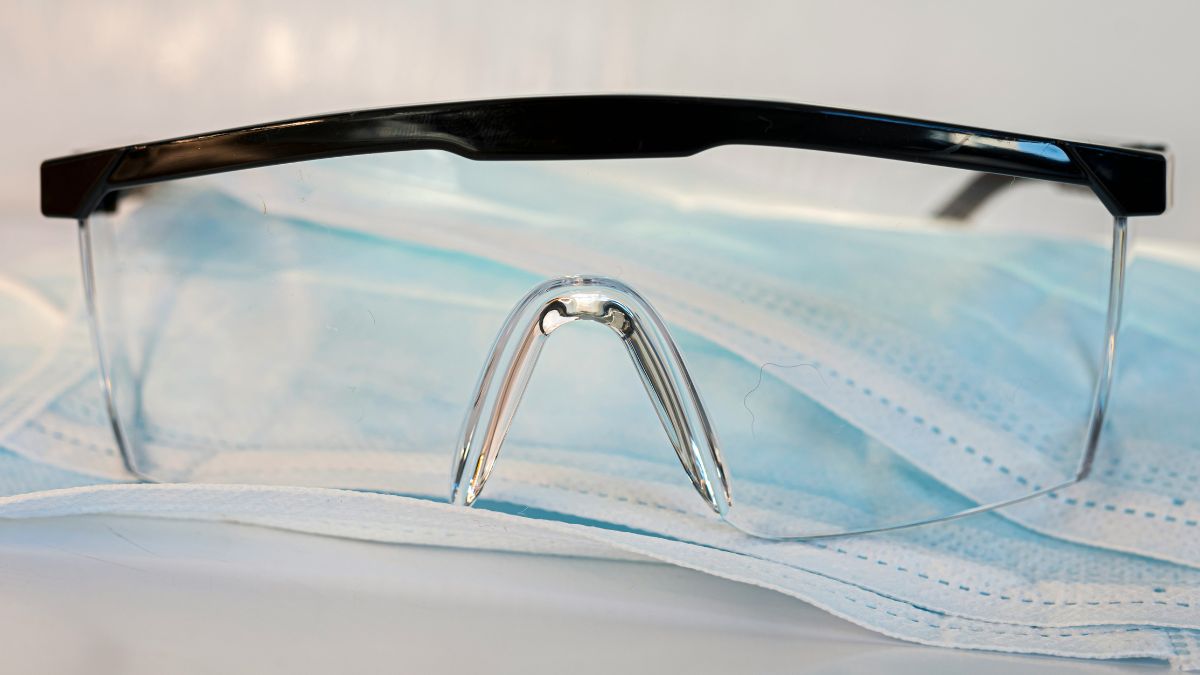
Image by Mier Chen from Unsplash
The editorial staff of Medical News Bulletin had no role in the preparation of this post. The views and opinions expressed in this post are those of the advertiser and do not reflect those of Medical News Bulletin. Medical News Bulletin does not accept liability for any loss or damages caused by the use of any products or services, nor do we endorse any products, services, or links in our Sponsored Articles.
