



Six seasons and a movie! But not for Community, we’re still waiting for that. No, this time we round out the story of BBC’s hit drama Peaky Blinders with a new cinematic conclusion. Does the movie cap things off nicely, or does it fail to justify its existence? Let’s find out.
Peaky Blinders: The Immortal Man takes place roughly six years after the events of series six of the show. The Second World War has broken out, and Birmingham has become a prime target of the German air force due to the arms that are manufactured in the industrious city. But Tommy Shelby (Cillian Murphy) has stepped away from his roles within the city, opting to become a reclusive author in waiting in the English countryside, accompanied only by Johnny Dogs (Packy Lee) from the original series. When his sister, Ada, comes knocking in search of Tommy’s aid in controlling his estranged son Duke (Barry Keoghan), the current leader of the Peaky Blinders, who is running the gang and the city by fear and intimidation, he initially refuses to get involved. But of course, as soon as he thought he was out, they pulled him back in.
Now, I should preface this by saying I’m a big fan of the show and think Steven Knight’s writing and style resulted in a very unique show that explored themes like PTSD and depression, in combination with gangster grit and contemporary rock ‘ n ‘ roll music. Knight returns for the movie as the film’s writer, joined by Tom Harper in the director’s chair. The result is mixed, to say the least. There are elements in The Immortal Man that do work quite well, but there’s a lot that doesn’t really seem to land as a fan of the series.
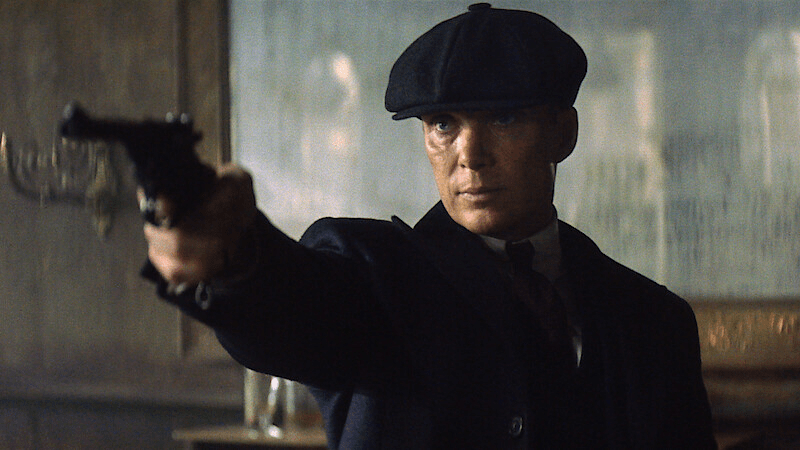
I think a big part is that the film doesn’t address the loose plot threads left open from the end of series six. By setting the film in 1940, we were historically deprived of any narrative conclusion with Oswald Mosley (Sam Claflin in the show), as he was incarcerated by this time. Having the movie set in 1939 at the outset of the war could have been an easier way to assimilate that thread. There’s also loads of key characters from the show, from Finn Shelby, who was a key element of the final season, Alfie Solomons, the aforementioned Mosley, and more, who fail to merit even a mention, despite their importance to the characters and/or plot. And without saying who, there is a key character missing from the narrative and the reason for his absence, in the film, I utterly loathed from a creative standpoint.
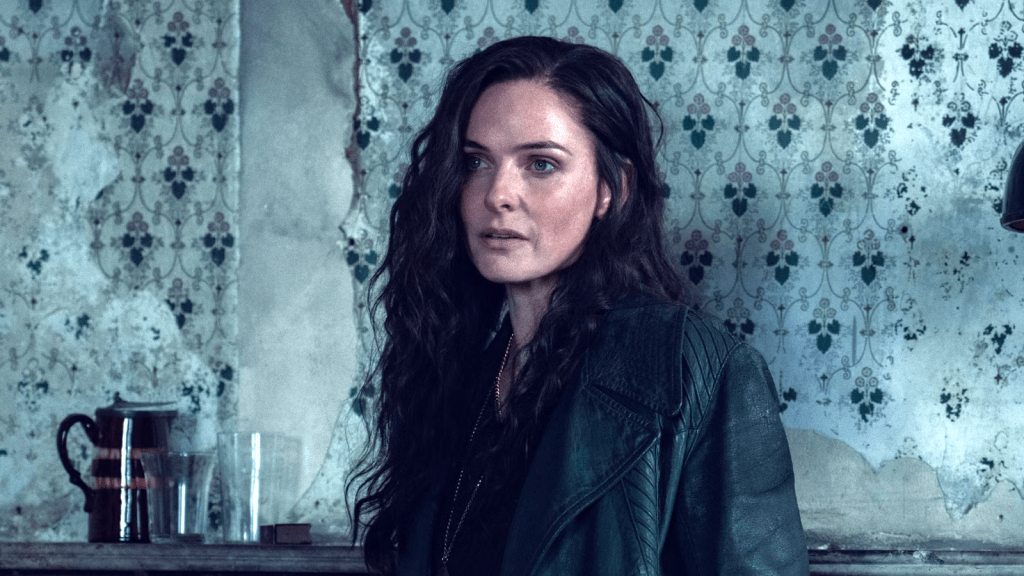
There’s a few new characters in the movie apart from Duke as well, including Kaulo Chiriklo (Rebecca Ferguson), a gypsy palm reader, and John Beckett (Tim Roth), a British Nazi sympathizer. While Ferguson at least had a narrative justification for being in the film (despite not really liking her performance and that justification feeling absurd), Tim Roth’s character feels cartoony and inserted into the narrative just to be bad. There’s no connection to the Blinders with him; he just comes into the story and acts as a foil, and it largely feels unearned.
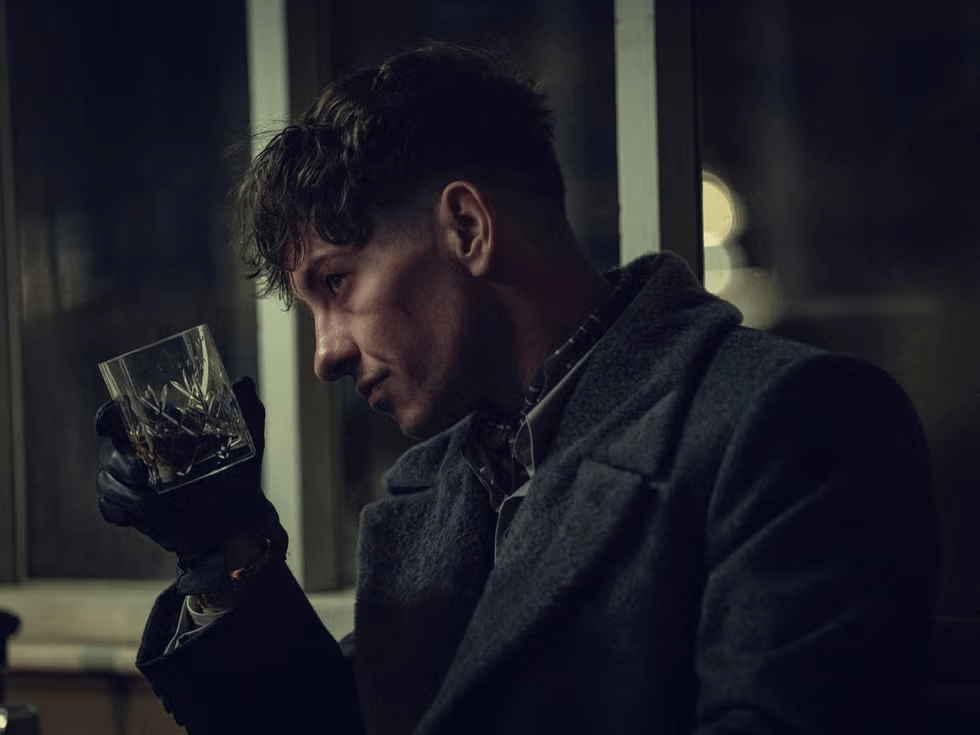
What I did like, that said, was Barry Keoghan as Duke. As the forgotten and unloved son of Tommy Shelby, Duke now rules the Peaky Blinders with madness, fear, and violence, far more than his father ever did in 1919. He may be ambitious and successful even as a criminal, but his lack of familial connections does leave him jaded, angry, and even open to exploitation, something John Beckett is happy to exploit. Having Duke venture into the lion’s den of Nazi Germany due to his indifference about the world as a result of being unloved worked for me, to the point where I do think having a whole season to flesh out his character would have benefited his thread. We get introduced to him and are thrown onto a rollercoaster of character development that does ultimately feel rushed, and as the film went on, the relationship between him and Tommy made less and less sense.
The film is just under two hours, but somehow it drags while also rushing to the finish line. It feels like a whole season of television condensed, with many character beats and moments of growth whizzing by. But the film also feels like it’s in no rush, especially in the first act. The script is also a bit of a letdown, ultimately suffering from being somewhat predictable and formulaic.
I really wanted to like this movie. I wanted to feel a sense of closure that was absent from the ending of the sixth season. But The Immortal Man left me frustrated and confused, to the point where I’m a bit worried about the next 007 film, which Knight is penning, and my excitement for the upcoming sequel series isn’t as high as it was last year. If you’re a fan, by all means, check this one out just to see, but I can’t imagine you’ll find much to enjoy about it.
